Two approaches to personalized skin renewal. Chantel recommends treatment based on your skin, goals, previous care and readiness, with preparation and aftercare explained before you begin.
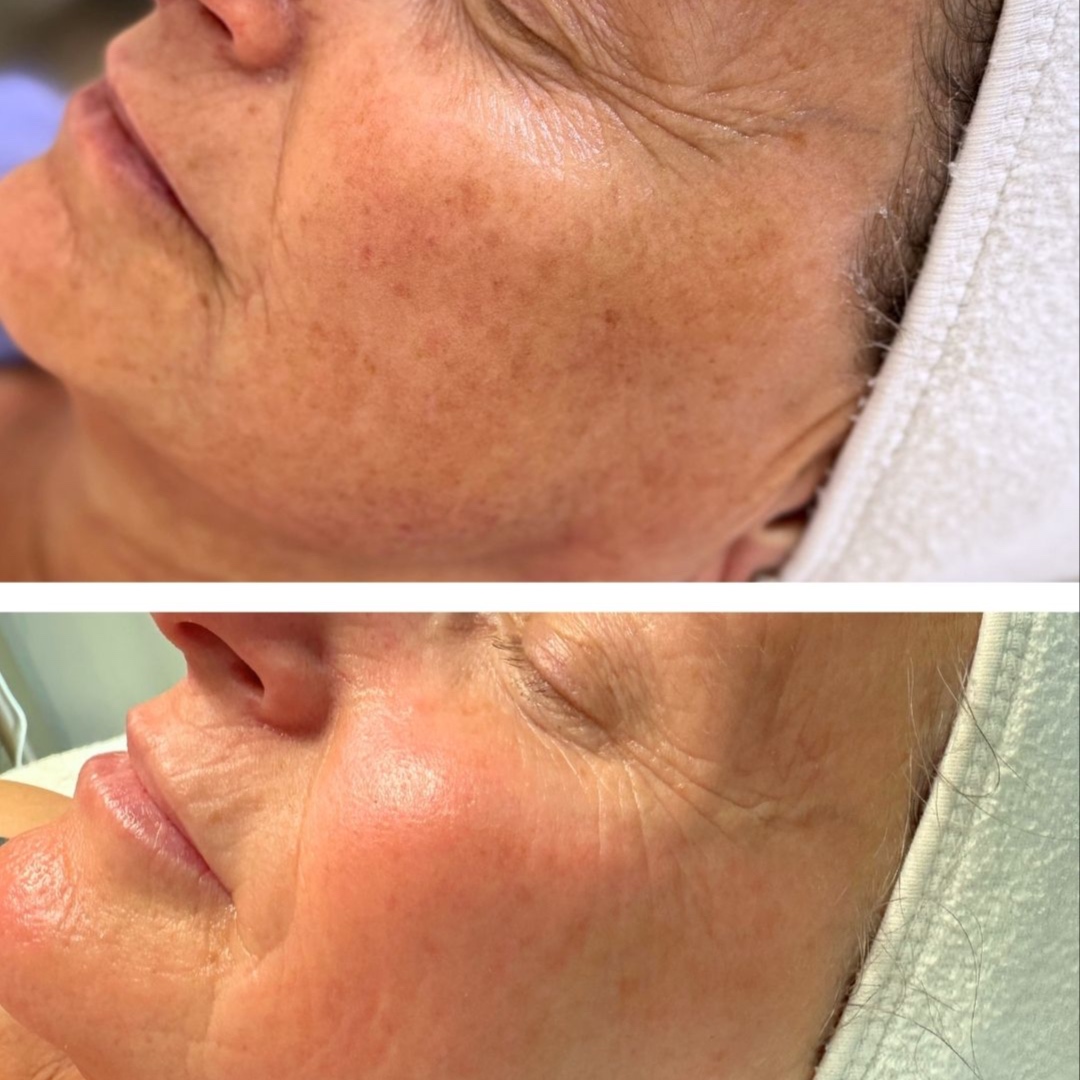
Image from Bio Skin’s microneedling booking listing. Original arrangement preserved; individual results vary.
Controlled professional needling for clients concerned about the appearance of texture, fine lines and post-blemish texture. Treatment selection and timing are individualized after consultation.
The standard treatment includes dermaplaning, red light and restorative aftercare. Plan around possible visible redness and follow your personalized recovery guidance.
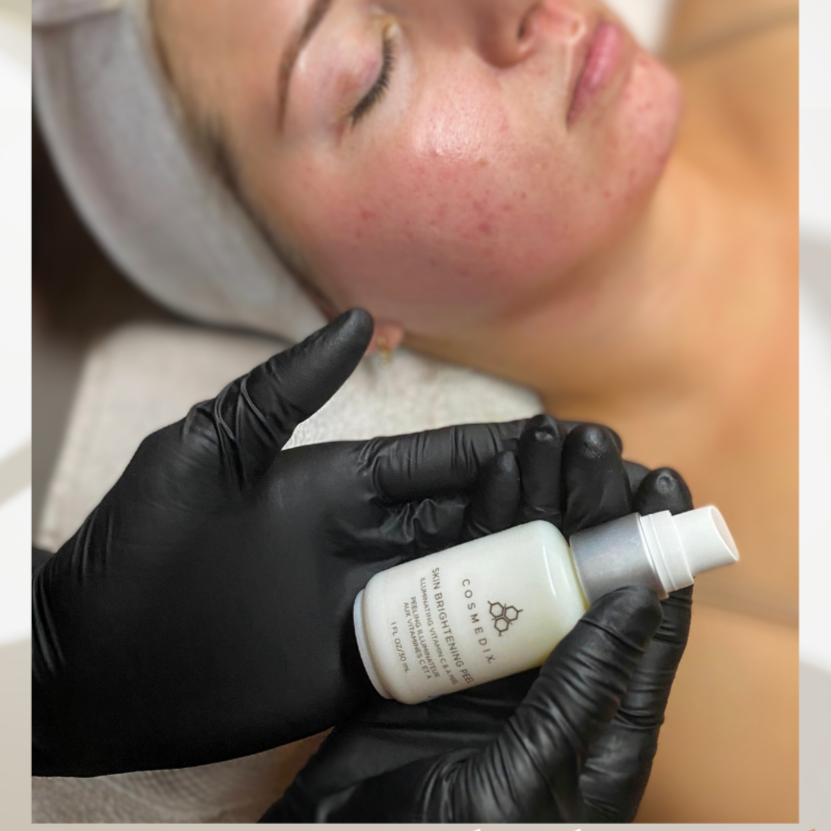
Treatment image from Bio Skin’s professional peel booking listing.
Professional exfoliation selected for your skin, from gentle resurfacing to more advanced custom care. Chantel chooses the solution and intensity after assessing your skin and explains expected sensations, recovery and aftercare.
Choose your peel option in Custom Reset Solutions (Peels) before continuing to scheduling.
These are distinct treatments and booking choices, not an automatic combined appointment. Microneedling uses needles; chemical peels use exfoliating solutions. Nano infusion is separate. Prices and durations vary by option; confirm your selection before scheduling.
Evidence, with context
What does the research say?
Useful background for a conversation with Chantel, not a promise of the result you will get.
A small randomized, split-face trial studied microneedling for atrophic acne scars, the indented scars that can remain after acne.
Methods
20 people enrolled and 15 completed the study. They had three treatments, two weeks apart. A blinded physician assessed standardized photographs at three and six months.
Results
The treated side improved from baseline at six months, while the untreated side showed no significant change. This is evidence about scars, not a promise to treat active acne or produce the same improvement for everyone.
Small clinical studies report improvements in measured skin elasticity and signs of skin ageing after professional microneedling.
How to interpret it
Results develop gradually and vary. Study sizes, devices, protocols and follow-up periods differ. Research on radiofrequency microneedling should not be treated as evidence for a different needling method.
Study design and the 28.2% measurement
Wamsley and colleagues (2021) enrolled 35 adults and 32 completed the study. Participants were ages 44–65 with Fitzpatrick skin types I–IV and received four monthly face-and-neck treatments. Instrument-measured facial elasticity was 28.2% above baseline three months after the final treatment. This was a small, single-center, uncontrolled, industry-funded study. It is not a claim of “28.2% firmer skin” or a prediction of your result.
Chemical peels use selected ingredients to exfoliate the skin. Depending on formulation and depth, they may help improve uneven tone, texture and selected signs of sun damage.
What matters for your care
Suitability, recovery and results depend on the peel and individual assessment. A professional peel is not automatically a deep peel, but “modern” does not mean every treatment is mild or has no downtime.
Studies are background information, not Bio Skin treatment results. The exact equipment, settings, formulations and study populations may differ from your treatment. No percentage improvement or guaranteed result is promised.
Read more in Skin notes
A little more context.
How microneedling and peels differ, what the studies measured, and what to discuss before treatment.
Discuss your goals, previous treatments, skin response and expected recovery with Chantel. Ask which option she recommends, how many visits may be appropriate and what preparation and aftercare are needed.